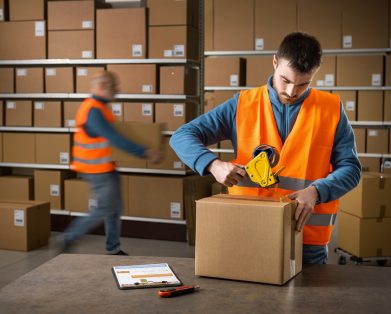
As 2026 dawns, European supply chains are entering a new era. Several signs point to structural change: increased digitalization, energy transition, tighter regulations, and more tense geopolitics. Companies that can anticipate these changes will have a major competitive advantage. Here are the key areas to watch.
1. Digitalization is becoming "table stakes"
Real-time visibility of flows is no longer an asset: it is becoming a prerequisite. According to one study, by 2026, it will be organizations capable not only of visualizing, but also of processing and acting on this data that will make the difference.
The adoption of digital twins, autonomous AI agents, and end-to-end collaborative platforms is accelerating, enabling operations to be modeled, simulated, and adjusted in an increasingly volatile logistics world.
2. Logistics that are increasingly green and demanding
Regulatory pressure (EU Green Deal, Corporate Sustainability Reporting Directive (CSRD), EU Deforestation Regulation (EUDR)) is forcing a rethink of transport, warehousing, and returns management. Decarbonization efforts are no longer just "green," but strategic: electric fleets, alternative energies, "green" corridors, and circular models are now on the agenda.
In France, the 2025-2026 logistics roadmap focuses on reducing GHGs, digitizing supply chains, and optimizing through intermodality.
3. Geopolitics, costs, and resilience: the complex equation
The European context remains disrupted: port congestion, scarcity of certain raw materials, fluctuating rates for maritime transport and land chains. For example, major European ports are already experiencing unprecedented congestion, forcing players to reconsider their just-in-time policies.
Added to this are uncertainties related to trade agreements, rules of origin, tighter customs controls, and volatility in energy and transportation costs. Resilience is therefore becoming a necessity—not an option.
4. Automation and labor: a delicate balance
The shortage of drivers, increasing urbanization, and higher consumer expectations (faster deliveries, greater flexibility) are pushing players to increase automation: self-driving robots in warehouses, urban drones, autonomous trucks on certain routes.
But automation also brings new challenges: cybersecurity, increased digital skills, and retraining of employees. The supply chain of 2026 must integrate these human dimensions.
And for those of you who manage Europe-global flows: how MyTower can support you
With the rapid evolution of the regulatory, technological, and geopolitical landscape, you need a partner who can:
- Simulate the impact of new roads, new fares, or new fuels in real time.
- Automate customs compliance (rules of origin, EUDR, e-commerce, etc.) to secure your flows.
- Collect, consolidate, and analyze large volumes of data to create value (not just visibility).
- Implementing greener and more resilient logistics: traceability, reporting, emissions and risk management.
MyTower GTM Solution combines:
- a scalable digital platform,
- expertise in transportation, customs, and logistics,
- simulation, monitoring, and alert modules tailored to the European context.
In short: you have the tools to not only follow the trend, but to drive it. Adding value to your operations while managing risk: that is the challenge for 2026 that we are taking on alongside you.
Looking for the right solution for your business?